Volcanoes, geothermal fields, lava plateaus, geysers and hot springs.
Glaciers, glacial lagoons, fjords and waterfalls.
Iceland, straddling a plate boundary, still being pulled apart.
One breathtaking view after another, born of an Earth in motion.
Volcanoes, geothermal fields, lava plateaus, geysers and hot springs.
Glaciers, glacial lagoons, fjords and waterfalls.
Iceland, straddling a plate boundary, still being pulled apart.
One breathtaking view after another, born of an Earth in motion.
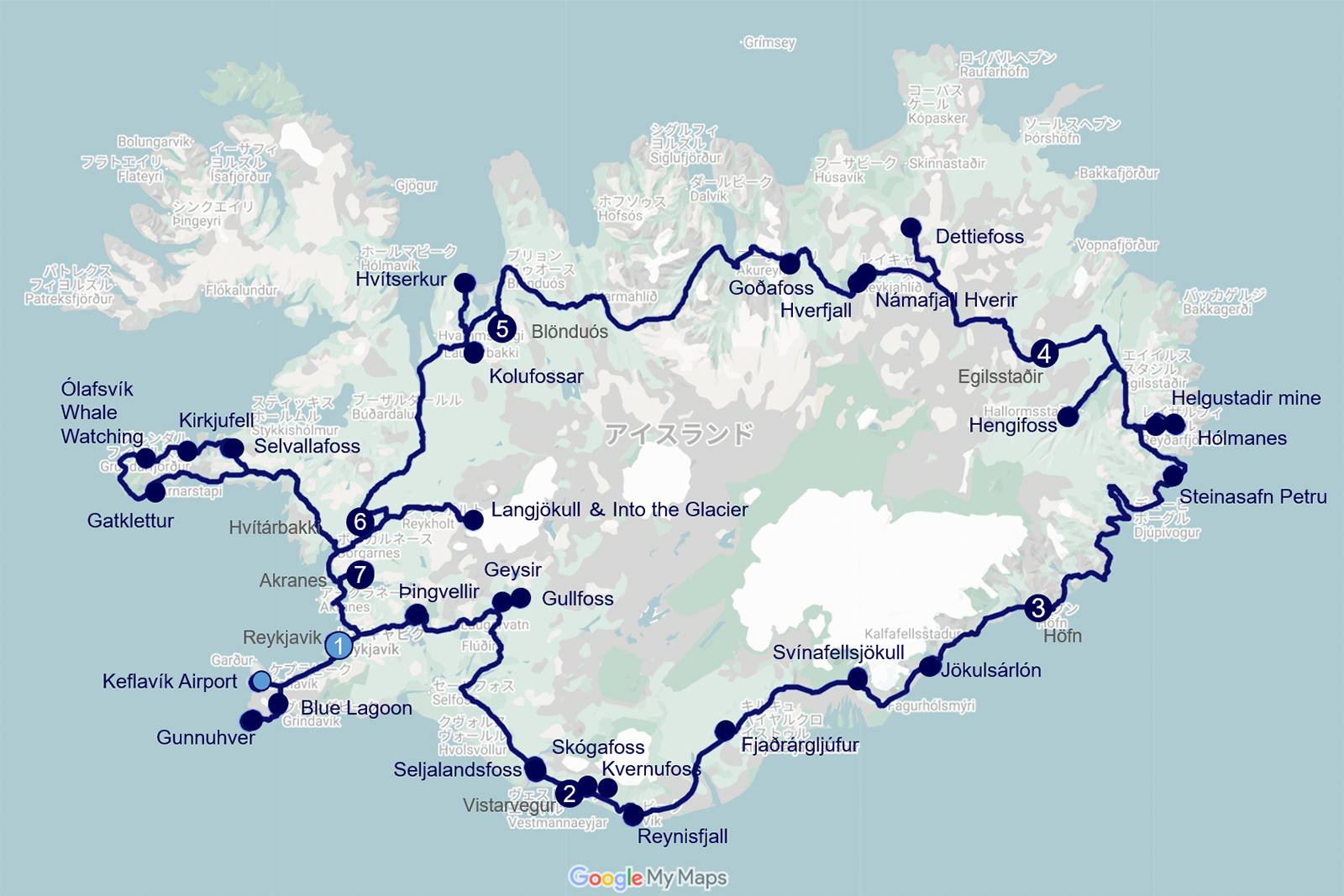
I have brought together the places I visited and the things that stayed with me in Iceland in Photos and Words, arranged by area and theme. The 23 pages, numbered 00–22, cover geological observations, scenery from around the country, reflections on the trip, and the complete travelogue. The index cards below link to each page.
For anyone who would like to follow the journey as it unfolded, 22 Full Travelogue is also included in this collection, with more than 300 photographs.
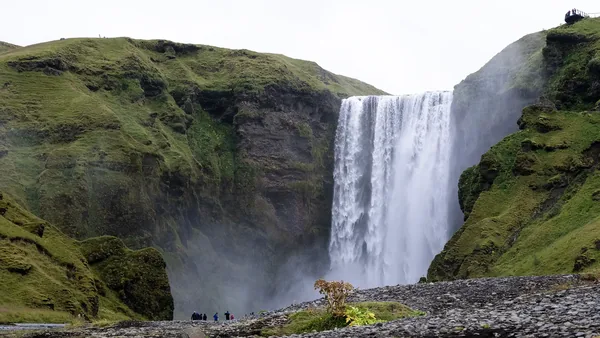
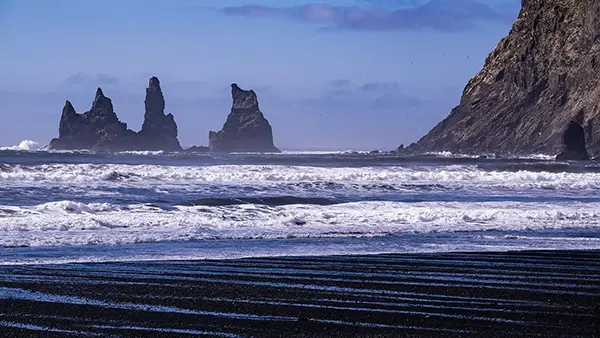
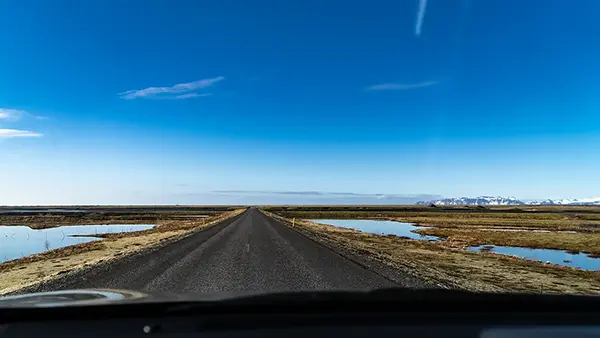
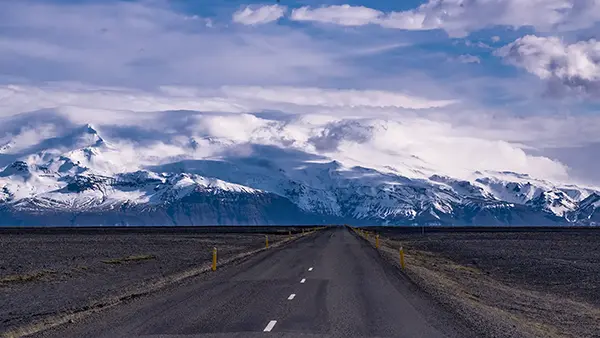
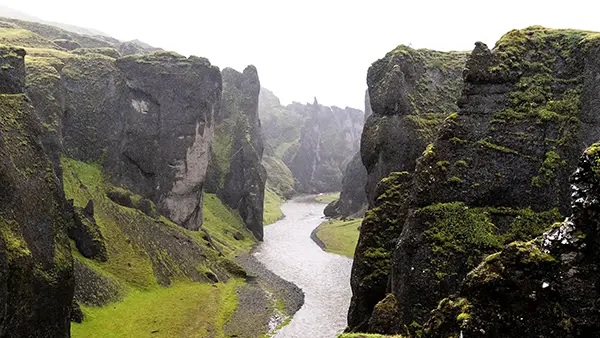
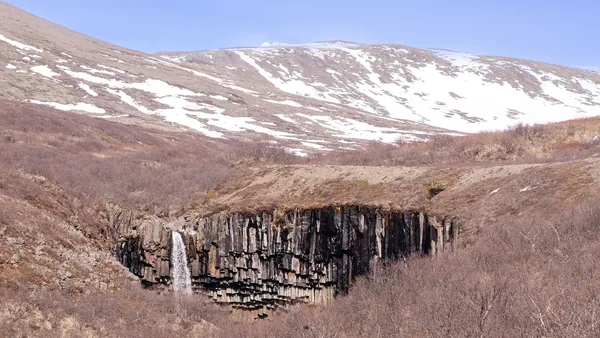
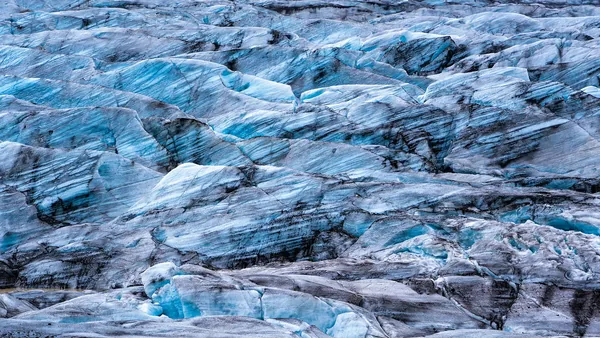
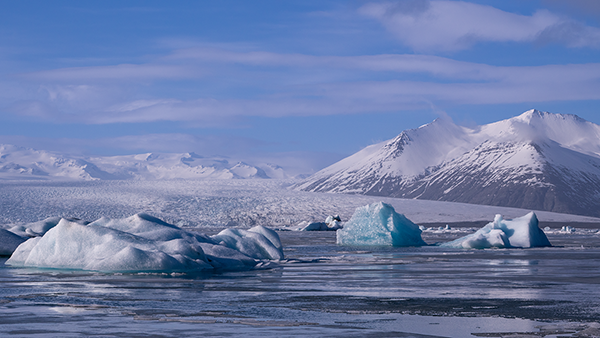
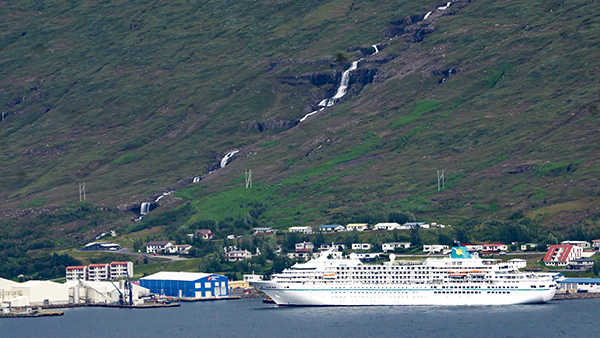
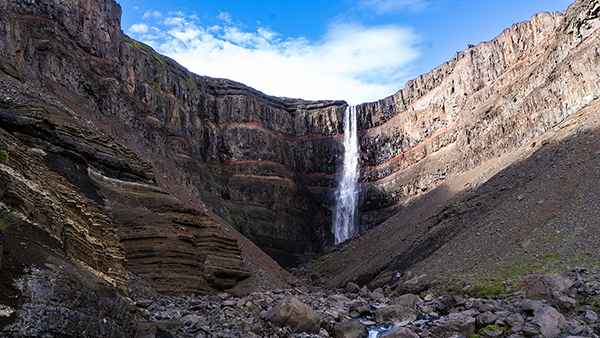
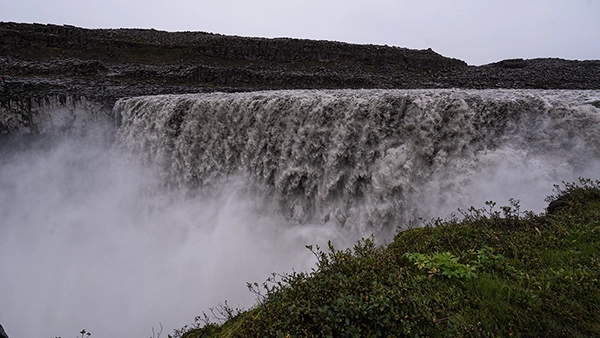
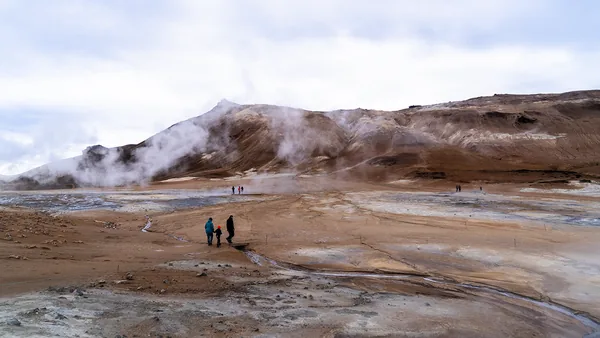
Icelandic place names were unfamiliar to me, and there are a lot of them in these pages. In the Japanese text, all those names in katakana can make the writing rather hard to get into. But calling everything “this mountain” or “this lake” would hardly help identify the places. After trying a few approaches, I settled on some basic conventions.
In Japanese, I generally write place names in katakana, adding words such as “mountain,” “lake,” or “waterfall” where helpful. In this English version, I use the Icelandic spellings, with the same kinds of additions. A name alone often gives little clue to what sort of place it is. This may not always be standard usage, and it can mean repeating part of the name: foss, for example, already means “waterfall,” so “Svartifoss waterfall” says it twice. I am aware of that. It is partly for my own benefit, too—I often find myself wondering, “Now, what was that again?”
In the Japanese text, I also give the Icelandic spelling in parentheses when a place first appears. Sometimes the Icelandic name brings the place to mind more readily than the katakana does, which I find interesting. For very well-known places, I sometimes use the familiar names found in guidebooks.