When my doctor told me, “Enjoy your quality of life while you can,” the one thing I wanted to see was the aurora—one of those once-in-a-lifetime sights people say everyone should see at least once. I used an interval between chemotherapy treatments to travel to Yellowknife, Canada.
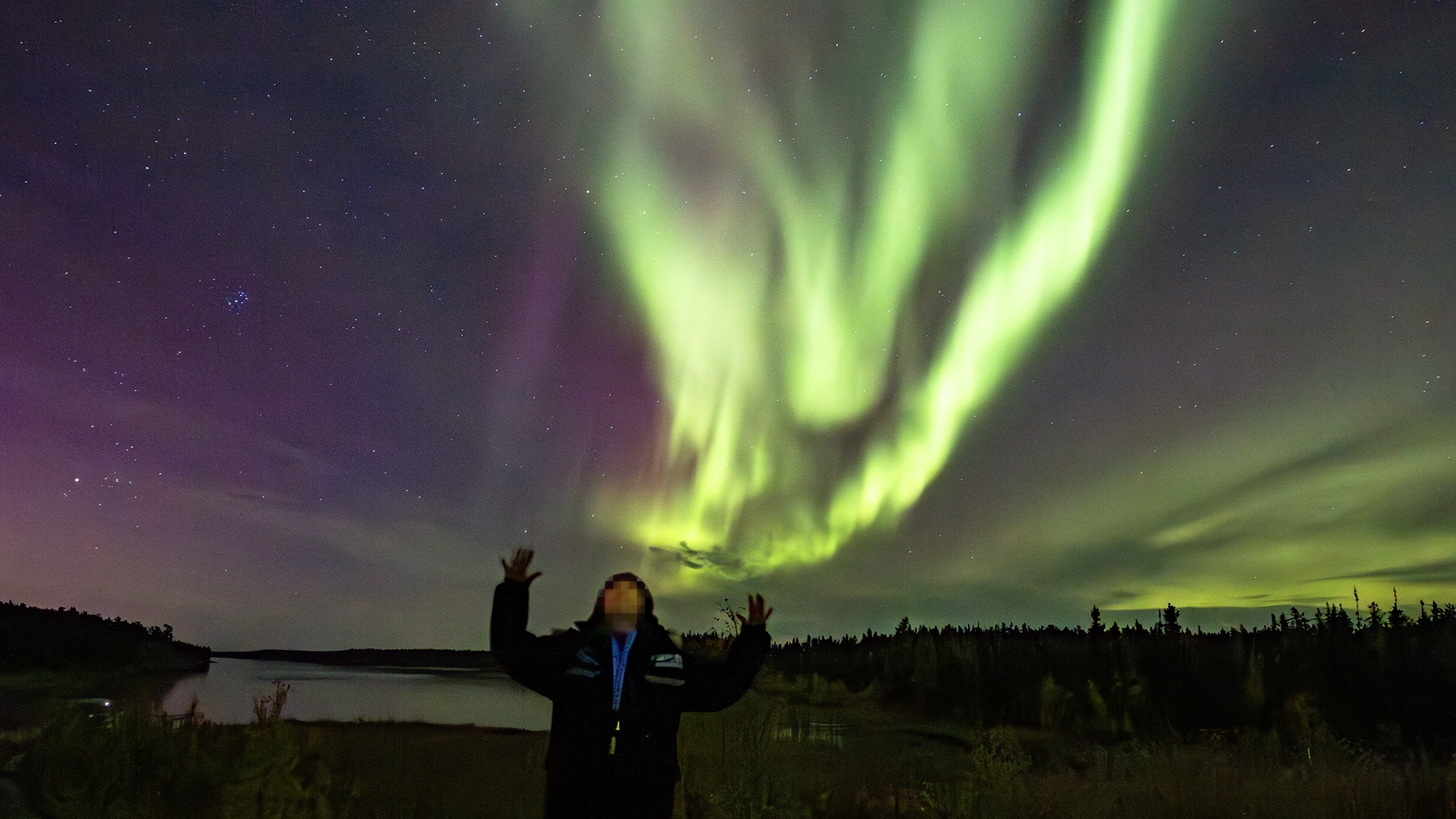
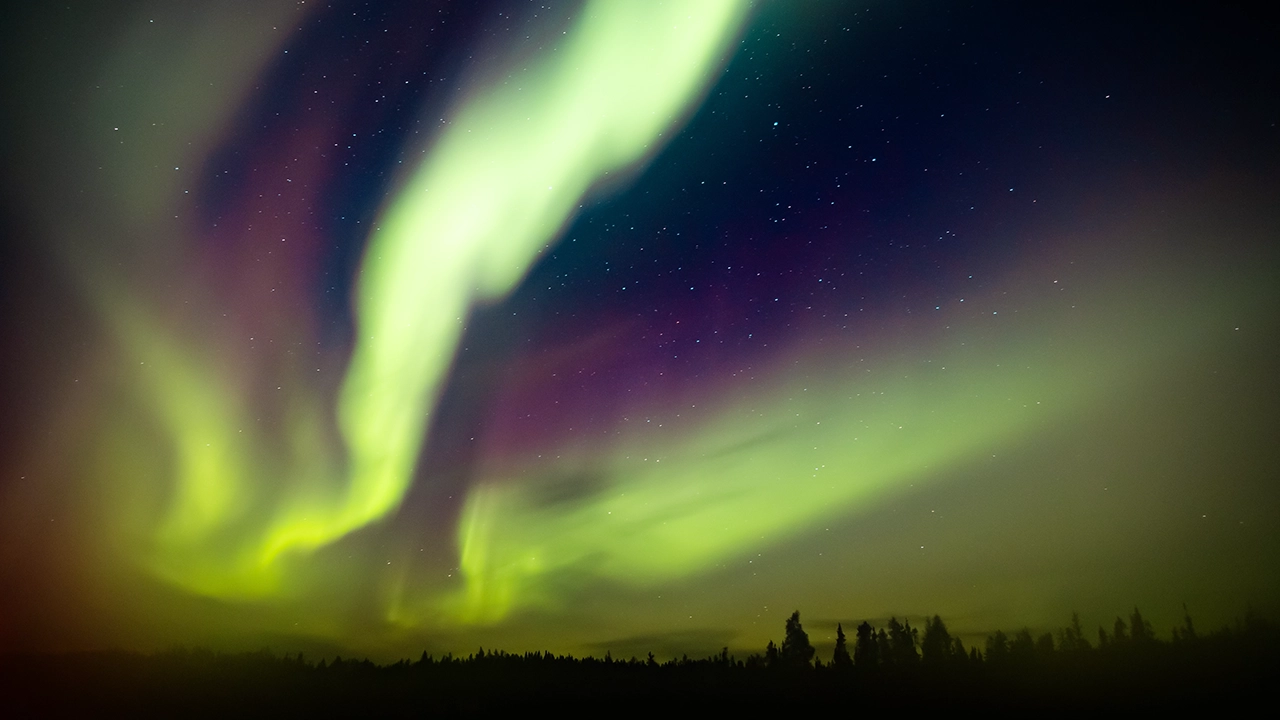
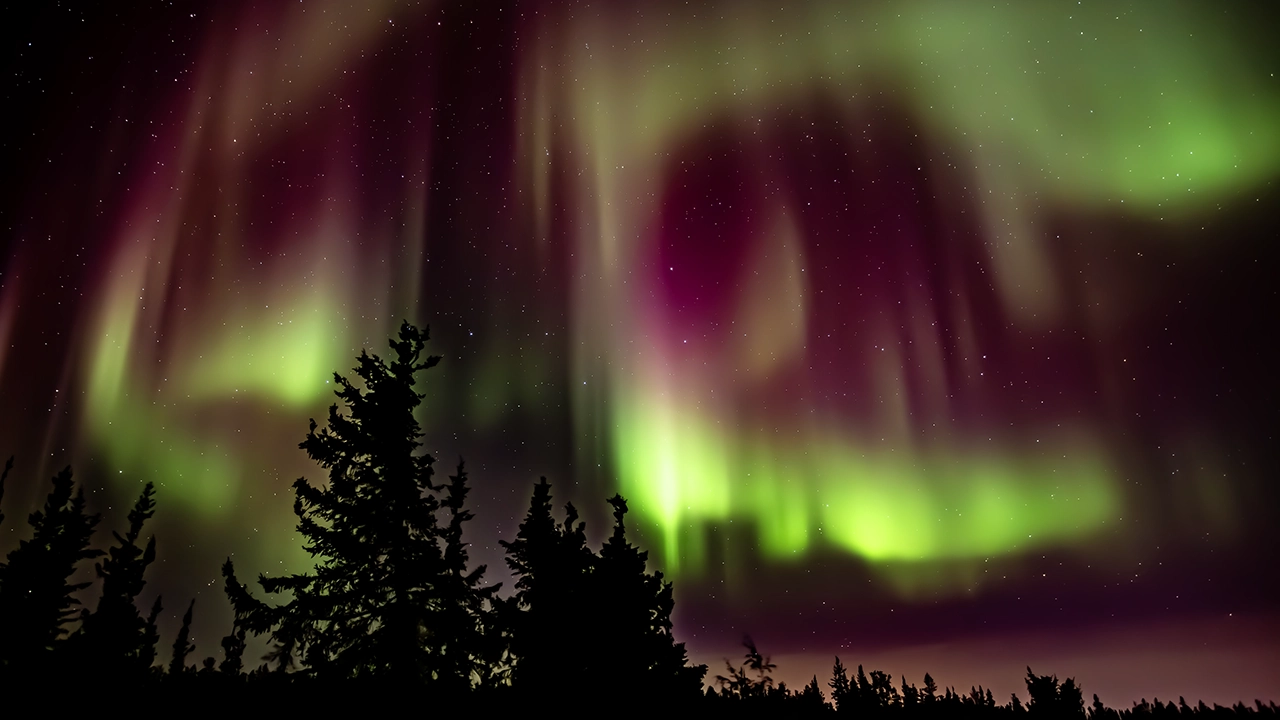
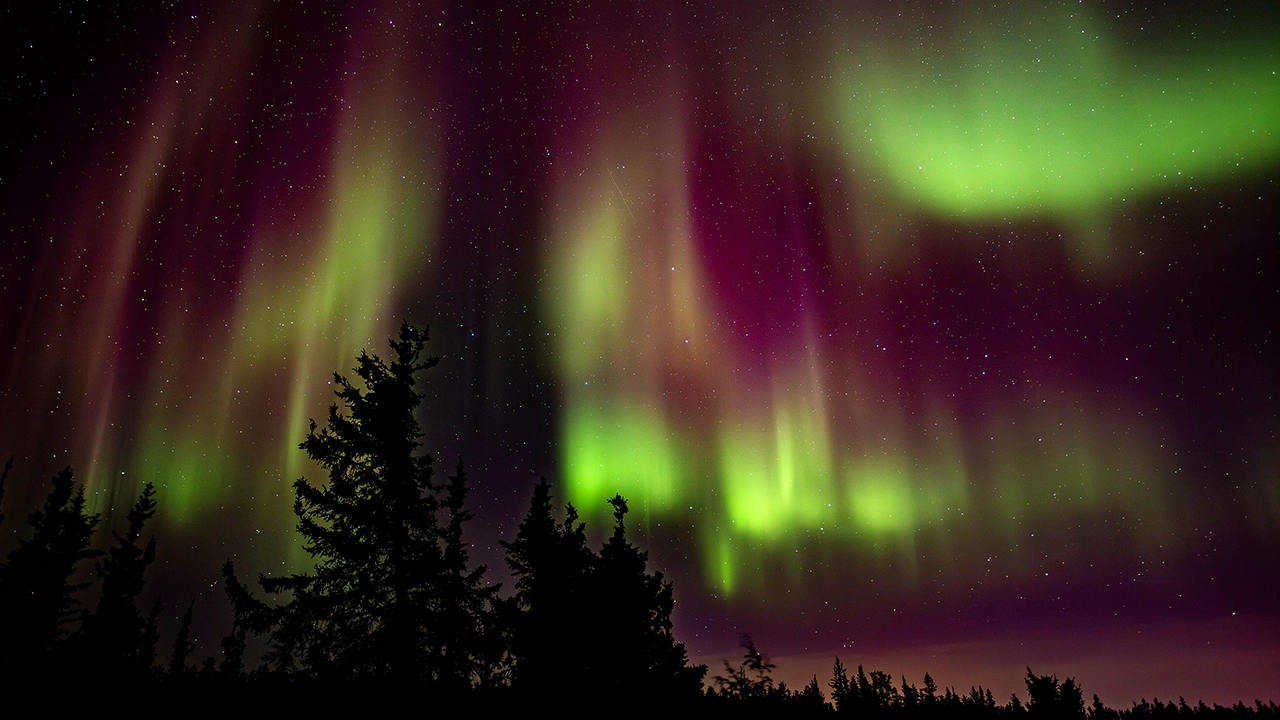
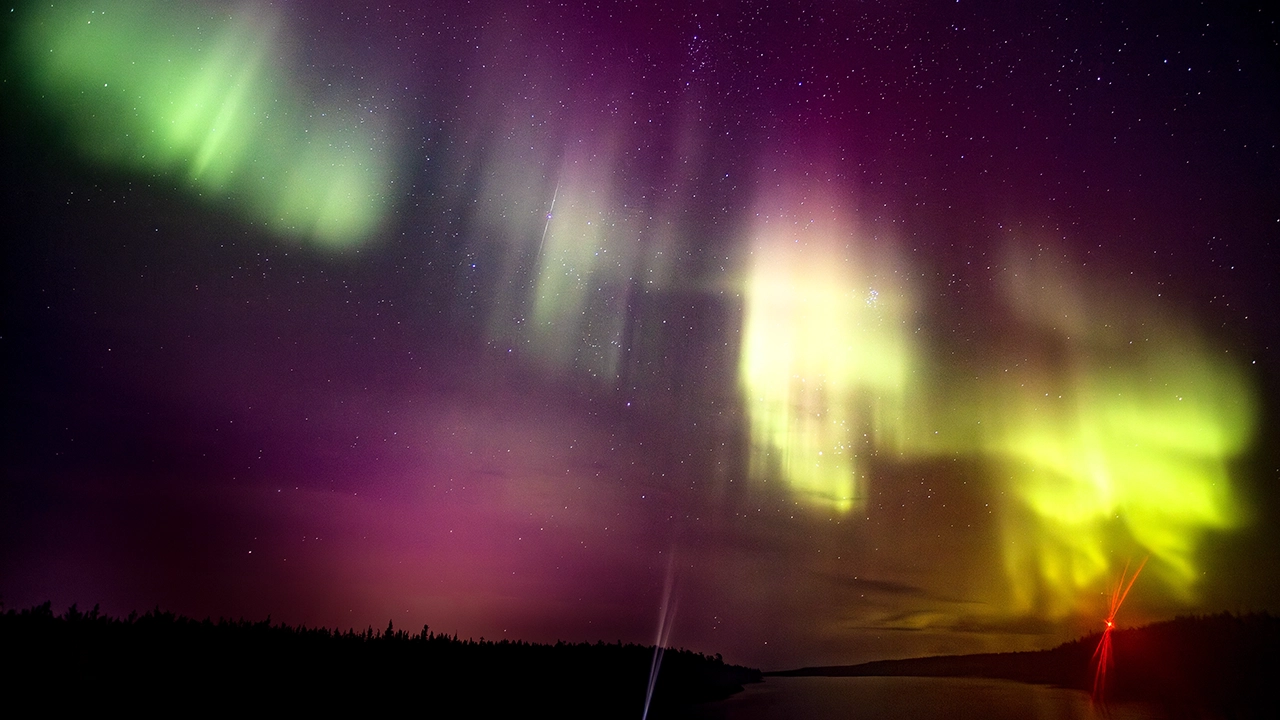
Whether the aurora appears depends on the weather, but on the third night we were extremely fortunate. September 2014 was a period of active solar activity, and even though the movement seemed gentle, the energy itself was strong enough to reach high into the atmosphere and illuminate even the violet and red auroral emissions.
My wife was moved, too
On the first and second nights, our aurora-viewing tour drove around by van in search of places where it might be visible, but we saw almost nothing. On the third night, we were scheduled to watch from an island in Great Slave Lake, and that was the night we had been waiting for.
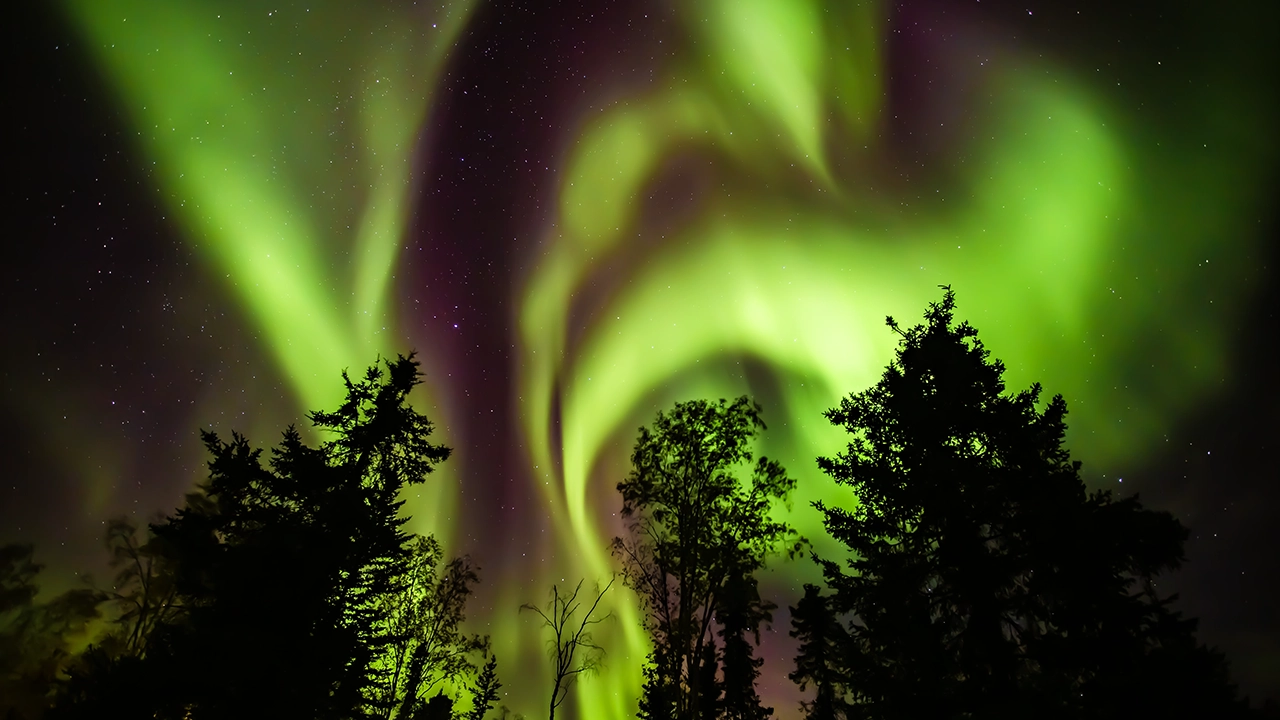
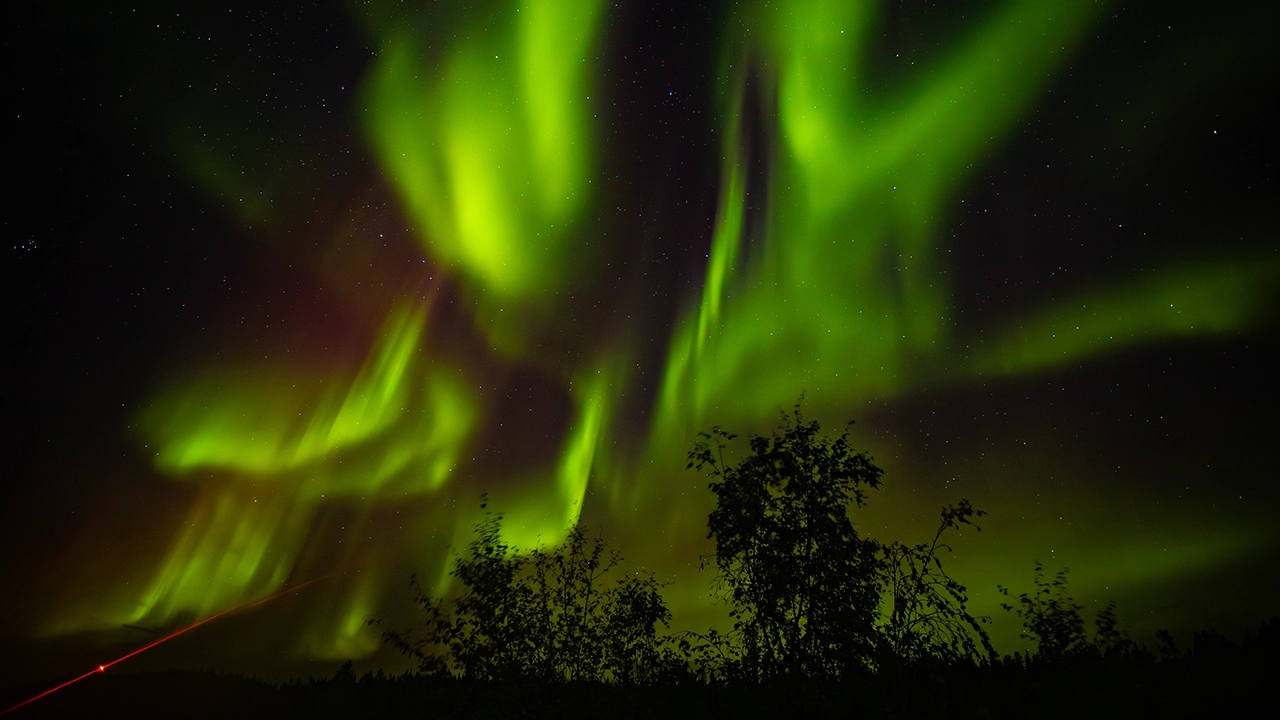
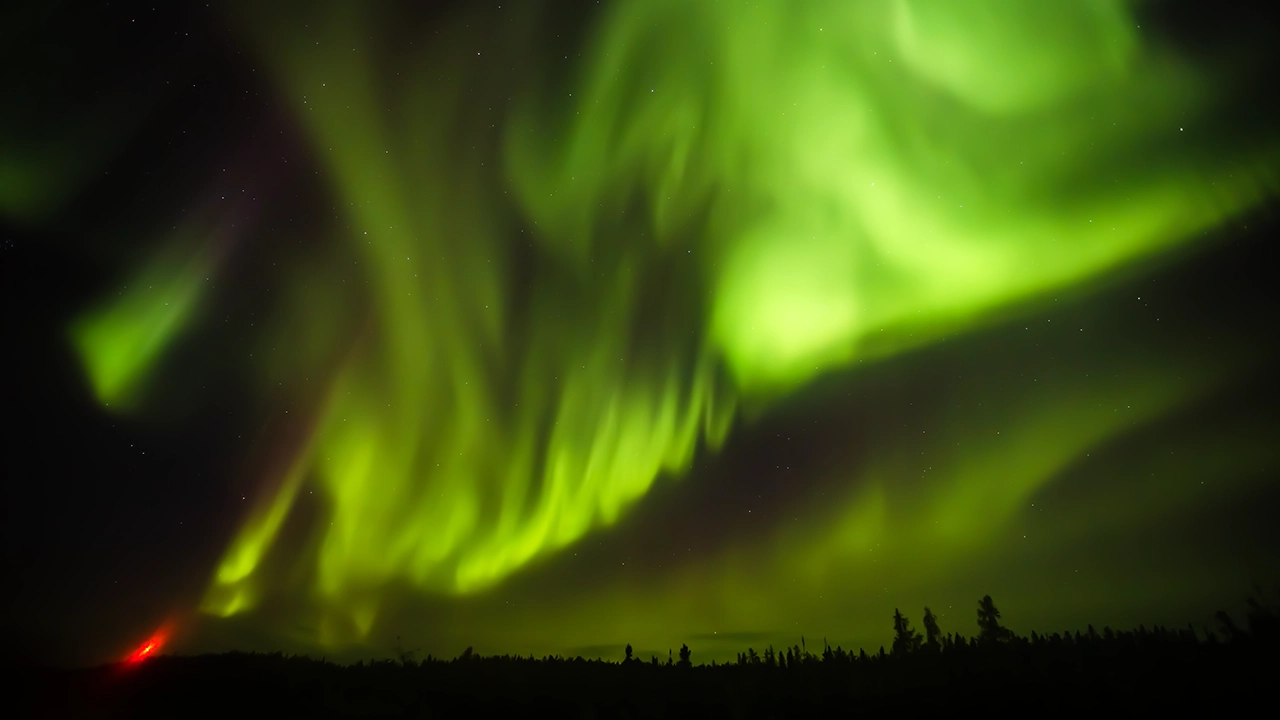
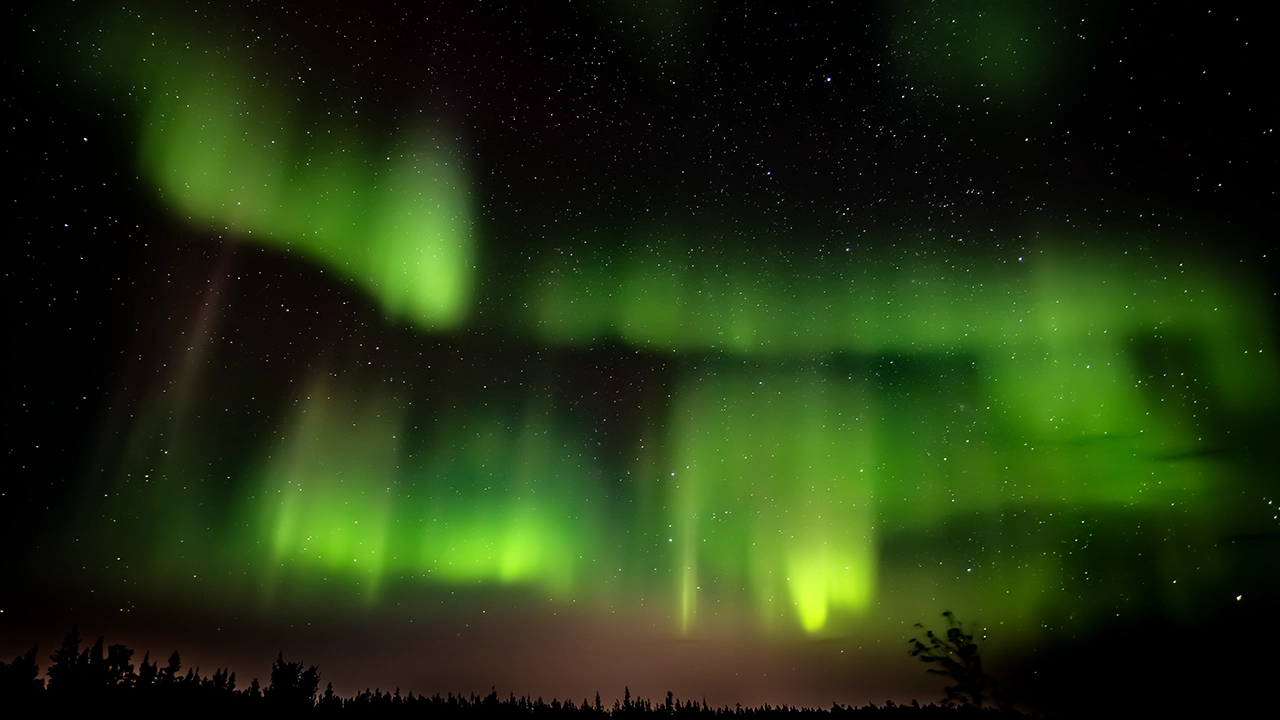
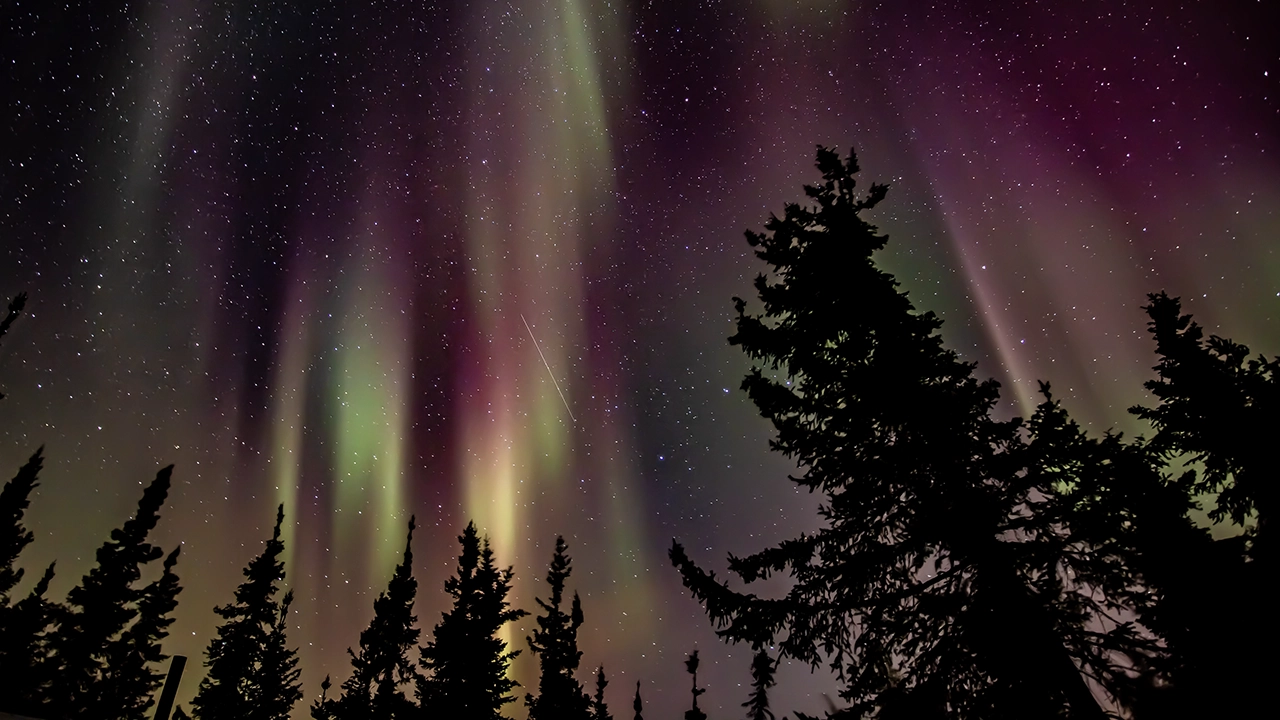
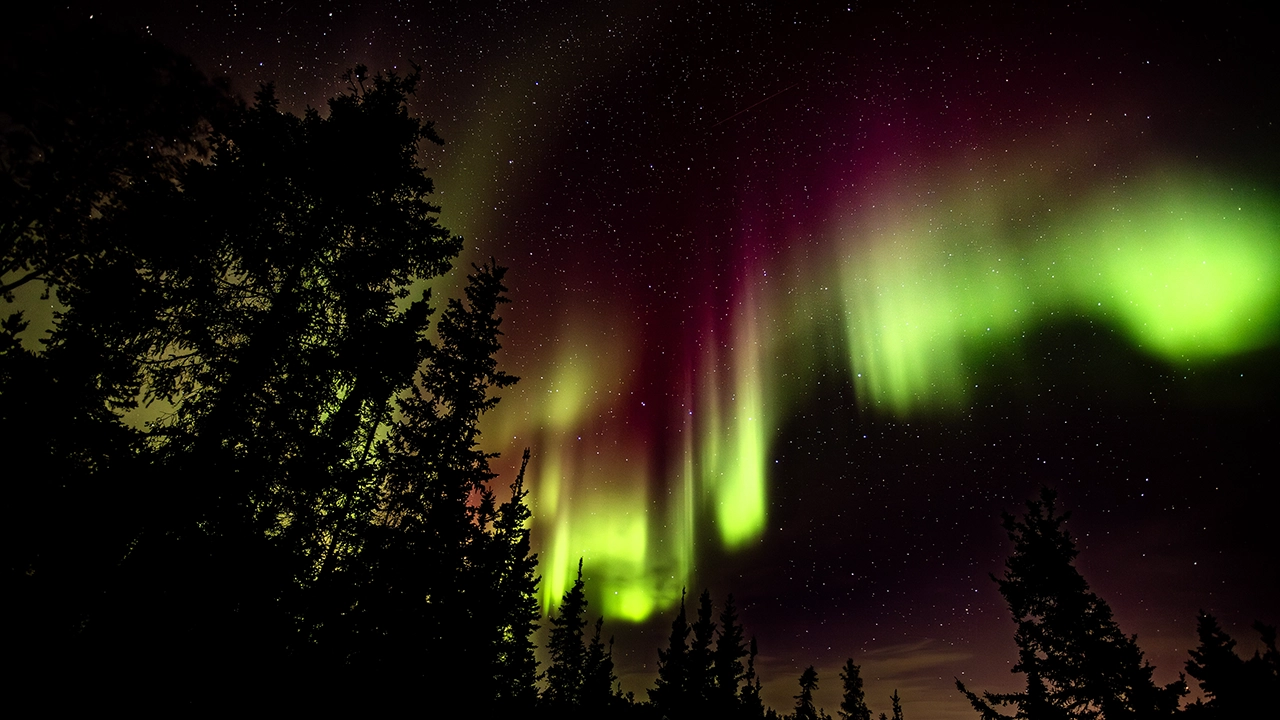
As our boat headed toward the island, the western sky began to glow faintly. Seeing it, one of the guides told us, “Tonight should be good.” Soon, a green curtain started to ripple. The third photograph was taken straight overhead, and the aurora seemed spread dramatically across the whole sky. The fourth through sixth photographs were taken with a wide-angle lens to include the distant scenery, and they show how broadly the light was spreading.
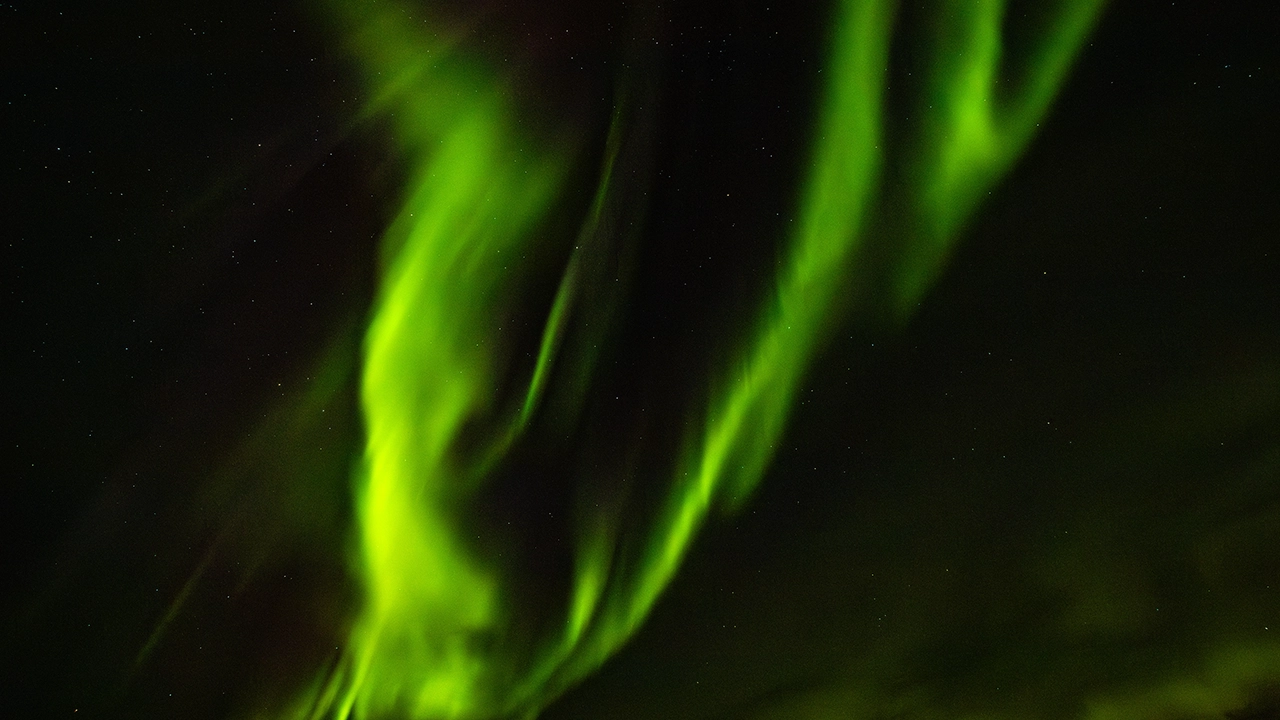
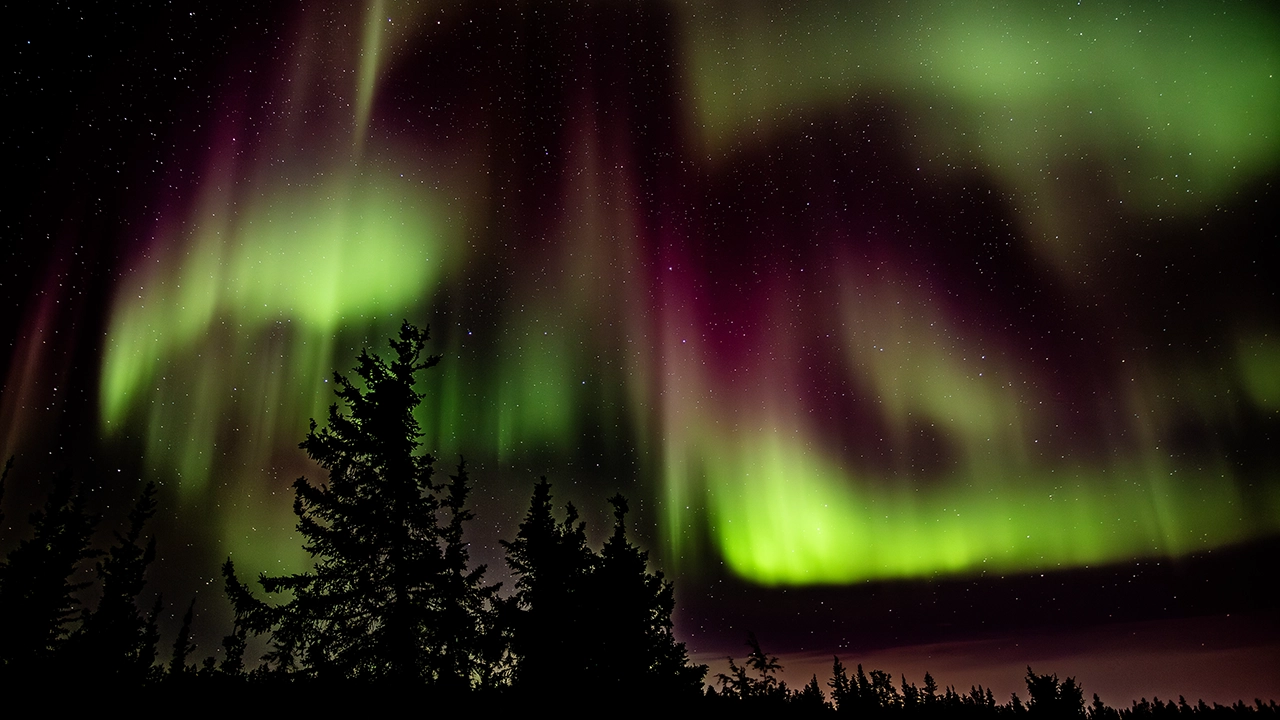
The seventh through ninth photographs were taken during a one-minute span with the camera fixed in place. You can see the motion. It was not quite a full breakup, with the entire sky dancing like a storm, but it felt like a prelude: a moderate, beautiful swaying that was also easy to photograph. The final three are favorites selected from the many images I took that night.
Even when we left the island around 2:30 a.m., the aurora was still shimmering on the way back to the hotel.
People often say, "There is no way it looked like that." But these are not fake colors. They are the light that the camera actually captured, drawn out through processing. To the naked eye, the aurora appeared mostly green, with only faint hints of violet and red curtains. Human eyes have difficulty perceiving red and violet in darkness, but a camera can keep its shutter open for 10 to 30 seconds in such low light, recording colors that our eyes can barely detect. When the RAW data is processed on a computer with software such as Camera Raw, the pink and violet light recorded from around 200 kilometers above the earth becomes visible in the image.
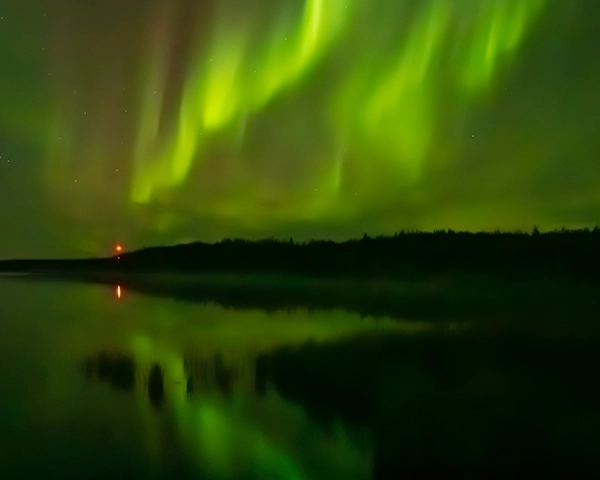
Because there was a lake in front of us, I should have been able to photograph the aurora reflected on the water. At the time, however, I had not yet grasped what an opportunity that was. When I looked through the photographs later, this slightly blurred image was the only one I had. If I were there now, I would have focused on capturing that reflection instead.
The camera I took with me was a mid-range full-frame digital SLR I had bought only a few years earlier, but I had not really studied or understood the settings and methods for photographing the aurora. Looking back at the photographs after returning home, I could not help thinking what a waste that was. I did not mean to underestimate it, but I had taken it too lightly. Fortunately, I had saved the original RAW files rather than only the automatically processed JPEGs, so with digital processing I was able to produce images I was happy with.
Postscript: Itinerary
It must have been around 2010 when my wife saw an airline magazine advertisement and said, "Let's go see the aurora over a long weekend." The question was when to go. She even exchanged emails with an astronomer in Finland. In the end, we learned that reliable prediction was difficult. At the time, I do not think aurora forecast apps like today's existed. Another reason we hesitated was the thought of traveling in the extreme cold of winter. Then one day, while watching television, my wife said, "Apparently you can see the aurora in summer, too!" When we looked into it, we found that auroras occur somewhere on Earth year-round, 24 hours a day; if sunlight and clouds do not block them, they can be seen. In practical terms, the midnight sun makes them invisible during the white-night season, and rain or snow clouds can hide them. But there is no other strictly seasonal condition. In other words, it does not have to be winter.
For the reasons described at the beginning, we made up our minds at the end of July 2014, found that we could travel in mid-September, and ended up visiting Yellowknife in Canada rather than Finland, which we had first considered.
The main reason we chose Yellowknife was that it lies directly under the aurora belt, offering one of the world's highest chances of seeing the aurora. We thought that if we stayed four nights and six days, surely we would see it at least once. During the daytime before the main aurora-viewing events, we planned to relax at the lodge, and at night we joined four tours. Three were driving tours that chased locations where the aurora might appear, and one was a boat tour to an island on the lake. Renting a car and driving ourselves was another option, but travel information did not recommend it: on tours, the guides communicate by radio to find places where the aurora is visible; the open plains are so broad that without local knowledge it is easy to lose track of where to go; and parking areas are not always available. In the end, we were looked after by a tour provider called Beck's Kennels. They handled everything from airport transfers to aurora hunting tours and additional daytime tours.
The outline of the itinerary was as follows.
Day 1 (Wed)Depart Narita, transfer in Calgary, arrive in Yellowknife
Day 2 (Thu)Aurora hunting by land
Day 3 (Fri)Aurora hunting by land
Day 4 (Sat)Aurora hunting on the lake
Day 5 (Sun)Depart Yellowknife
Day 6 (Mon)Arrive at Narita
A more detailed travel journal is available on 4travel.jp — in Japanese only.